
Signs Your Air Conditioner Needs Replacing (Not Just Repairs)
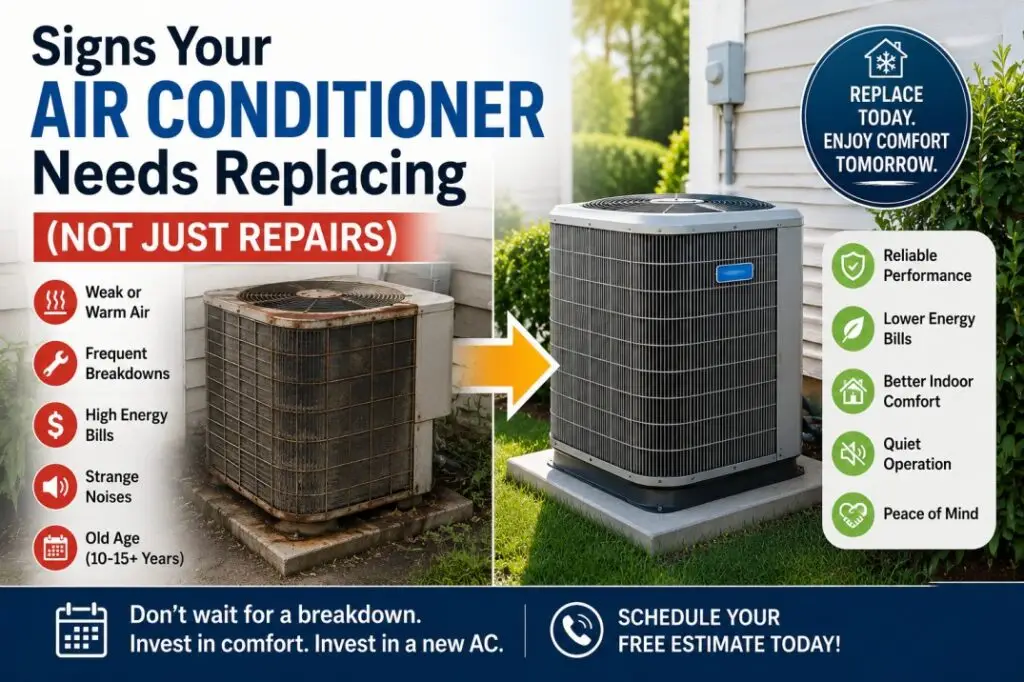
Signs Your Air Conditioner Needs Replacing (Not Just Repairs) When your air conditioner stops working the way it should, the first question is always the same: Is this something that can be fixed, or is it time for a new system? It’s not always an easy call. Repair costs are immediate and known. Replacement feels like a bigger commitment. But continuing to repair an AC system that has fundamentally reached the end of its useful life costs more in the long run — through repeated service calls, rising energy consumption, and the inevitable emergency failure on the hottest weekend of the summer. This guide walks you through the clearest signs that your air conditioner is telling you it’s ready to be replaced — so you can make an informed decision rather than an emotional one. How Long Should an Air Conditioner Last? Understanding the typical lifespan of an AC system is the starting point for any repair vs. replace decision. A well-maintained central air conditioner in Alberta typically lasts between 12 and 15 years. Systems that have been serviced consistently every year, with filters changed regularly and coils kept clean, tend to reach the upper end of that range. Systems that have been neglected — run without annual service, filters left unchanged for months, minor issues ignored — often begin to decline noticeably after 8 to 10 years. If your system is under 10 years old and experiencing problems, repair is almost always the right answer. If it’s over 10, the calculus shifts significantly toward replacement — particularly when multiple components are failing at the same time, or the type of refrigerant your system uses. 7 Signs Your AC Needs Replacing 1. The System Is Over 12 Years Old and Requires Frequent Repairs Age alone isn’t necessarily a reason to replace an AC — but age combined with a recent pattern of increasing repairs is a strong signal. If you’ve called for service two or three times in the past two summers, you’re likely approaching a tipping point where the compressor or another major component is next to go. When an older system starts requiring service repeatedly within a short window, the individual repairs may look manageable — but the cumulative spend adds up quickly. A licensed technician can give you an honest assessment of what the system’s major components look like and whether continued repair is a realistic strategy or a temporary delay of the inevitable. 2. Your Home Isn’t Cooling Evenly Anymore A well-functioning air conditioner maintains consistent temperatures throughout your home. When you start noticing that certain rooms never quite reach a comfortable temperature, or that there’s a significant difference between how the main floor and upper floor feel, the system may no longer have enough capacity to do its job. Uneven cooling can sometimes be addressed through ductwork adjustments or airflow balancing — but when it appears in an older system alongside other symptoms, it often signals that the system is losing its ability to perform at its rated capacity. Compressor wear, refrigerant issues, and degraded internal components all contribute to this gradual loss of performance. 3. The System Uses R-22 Refrigerant If your air conditioner was installed before 2010, there’s a good chance it uses R-22 refrigerant — a substance that has been phased out across Canada due to its environmental impact. R-22 is no longer manufactured, making it increasingly difficult and expensive to obtain. If your older system develops a refrigerant leak and requires a top-up, the unavailability of R-22 can make a repair impractical, regardless of the condition of other components. Ask your technician which refrigerant your system uses — if it’s R-22, that information should factor significantly into your replacement planning. 4. Your Energy Bills Have Increased Without Explanation Air conditioners lose efficiency as they age. Components wear, coils accumulate buildup, and the system has to run longer to achieve the same result it once reached easily. This gradual decline shows up on your energy bills — not as a sudden spike, but as a creeping increase that becomes noticeable when you compare this summer’s bills to bills from three or four summers ago. If your home’s usage patterns haven’t changed significantly but your energy consumption during cooling season has increased noticeably, your AC’s declining efficiency is a likely contributor. Modern systems are substantially more efficient than equipment from 10 to 15 years ago, and the efficiency gain from a new system can be significant over the long run. 5. The Compressor Is Failing The compressor is the heart of your air conditioning system — it’s the component that pressurizes the refrigerant and drives the entire cooling cycle. It is also the most expensive component in the system to replace. Signs of compressor trouble include hard starting (the system struggles to come on), the system running constantly without adequately cooling the home, loud clanking or rumbling sounds from the outdoor unit, or the system tripping the circuit breaker repeatedly. When a compressor fails on an older system, the repair estimate often approaches or exceeds the value of replacing the entire unit with a new, efficient system. If your technician tells you the compressor needs replacing on a system that’s already 10 years or older, replacement is almost always the more sensible long-term decision. 6. Refrigerant Leaks Keep Recurring Refrigerant doesn’t deplete under normal circumstances. If your system has needed refrigerant top-ups more than once, it has a leak — and if that leak keeps recurring after repairs, the integrity of the system’s refrigerant lines is compromised. Ongoing refrigerant loss damages the compressor, reduces cooling performance, and adds recurring service costs without resolving the underlying problem. A single refrigerant leak in a system that’s otherwise healthy and relatively young is typically worth repairing. Recurring leaks in an older system, or a leak in a difficult-to-access location within an aging unit, are strong indicators that a full air conditioning replacement is the more sound approach. 7. The System Makes Noises It Never Used
How Often Should You Service Your AC? A Sherwood Park Guide
How Often Should You Service Your AC? A Sherwood Park Guide It’s one of the most common questions homeowners ask: How often does my air conditioner actually need service? The honest answer is that most AC systems in Sherwood Park are serviced less often than they should be — and homeowners typically don’t realize it until something goes wrong. Understanding the right service schedule for your system isn’t just about preventing breakdowns. It’s about getting the longest possible life from a piece of equipment that works hard every summer and sits idle every winter. This guide covers exactly how often different types of AC service are needed, what each service involves, and the warning signs that tell you your system needs attention sooner than scheduled. The Short Answer: Once a Year, Every Year For the vast majority of residential air conditioning systems, one professional service per year is the standard recommendation — and that service should happen in spring, before you need your AC to perform. That single annual visit does more than most homeowners expect. A trained technician doesn’t just give the unit a quick look and move on. They measure refrigerant levels, test electrical components, clean coils, inspect the condensate drain, check capacitor readings, verify airflow, and make sure every part of the system is operating within the manufacturer’s specifications. Think of it the same way you think about servicing your vehicle. You wouldn’t skip an oil change for three years and expect the engine to perform flawlessly — the same logic applies to your air conditioner. What Affects How Often You Need AC Service? While once a year is the baseline for most homes, several factors can shift that recommendation: Age of the system. Air conditioners between 8 and 12 years old benefit from more frequent checks. As components age, the margin for error narrows, and small issues escalate faster. If your system is approaching the end of its expected lifespan, an inspection in both spring and fall gives you early warning before a failure occurs at the worst possible time. How hard does your system work? A home that runs the AC from May through September puts significantly more hours on the compressor and fan motors than a home that only runs it through July and August. High-use systems wear faster and benefit from more frequent attention. Pets and indoor air quality. Homes with multiple pets, heavy dust, or occupants with respiratory conditions cycle far more particulate through the system. Filters clog faster, and debris accumulates on coils more quickly. In these homes, checking the filter monthly and scheduling a mid-season inspection in addition to the annual service is a smart approach. The local environment. Sherwood Park’s spring brings cottonwood seeds and plant debris that pack into condenser fins with surprising speed. A quick outdoor unit inspection — and cleaning if needed — every spring is worthwhile before the first hot stretch arrives. Previous maintenance history. If the system hasn’t been professionally serviced in several years, one visit won’t fully catch up on everything that’s accumulated. A technician may recommend a follow-up inspection within the same season to confirm everything is stable after the initial cleaning and tune-up. The AC Service Schedule: A Practical Timeline Here’s a clear, season-by-season breakdown of what good AC maintenance looks like across the year: Spring (April – May) This is the most important service window of the year. Before the first warm stretch arrives: Book your annual professional AC maintenance Replace the air filter Clear debris from the outdoor condenser unit Test the thermostat in cooling mode to confirm it’s responsive Pour diluted vinegar through the condensate drain line to prevent algae buildup Summer (June – August) During active cooling season: Check the air filter monthly and replace it when it’s dirty Listen for any new or unusual sounds from the system Monitor whether the system is maintaining your set temperature consistently Treat the condensate drain line every 2–3 months If performance drops, call for service — don’t wait until the end of season Fall (September – October) As cooling season winds down: Change the air filter one final time before the furnace season begins Schedule a furnace maintenance if you haven’t done so — your HVAC technician can assess both systems in one visit Note any performance issues that developed during summer for your technician to assess in spring Winter (November – March) Your AC is dormant, but that doesn’t mean there’s nothing to do: If you notice ice, frost, or any moisture around the outdoor unit, have it checked — this is unusual in proper dormancy Keep the area around the outdoor unit clear of heavy snow accumulation to prevent structural damage to the unit What Happens During a Professional AC Service? Many homeowners aren’t entirely sure what a technician actually does during an AC service call — and understanding what’s included helps you know whether you’re getting genuine value or a surface-level visit. A thorough professional AC service from Sherwood Mechanical Services, Inc includes: Refrigerant check. Refrigerant doesn’t deplete on its own — if levels are low, there’s a leak somewhere. Your technician will check the charge and inspect for signs of refrigerant loss. Running a system low on refrigerant damages the compressor over time. Electrical component inspection. Capacitors, contactors, and wiring connections are all inspected and tested. Electrical failures are one of the most common causes of mid-season AC breakdowns, and they’re often preventable with early detection. Coil cleaning. The outdoor condenser coil is cleaned to remove the buildup that reduces heat transfer efficiency. Airflow measurement. Proper airflow is essential for efficient cooling. Your technician will verify that the blower motor is operating correctly and that air is moving through the system as designed. Condensate system inspection. The drain pan and drain line are checked to confirm they’re clear and draining properly, preventing water damage inside your home. Safety control testing. All safety shutoffs and controls are tested to confirm the system will respond correctly
AC Check Up – Tips for HomeOwners: How to Keep Your Air Conditioner Running All Summer
AC Check Up – Tips for HomeOwners: How to Keep Your Air Conditioner Running All Summer Summer in Sherwood Park arrives fast — and when temperatures climb, the last thing you want is an air conditioner that can’t keep up. The good news is that most AC breakdowns don’t happen overnight. They build up over weeks and months of skipped maintenance, dirty filters, and small issues that quietly grow into expensive problems. A proactive maintenance routine is the single best thing you can do to extend the life of your system, maintain consistent comfort, and avoid emergency service calls on the hottest day of the year. This checklist walks you through exactly what needs to happen — and when — to keep your air conditioner running reliably all season long. Why Checking Your AC Matters Alberta’s climate is harder on HVAC equipment than many homeowners realize. The swing between cold winters and hot summers means your air conditioner sits dormant for a large portion of the year before being asked to perform at full capacity. Dust and fluff settle in coils, debris clogs outdoor units, and refrigerant lines sit idle for months. When summer arrives, and you flip that switch, a neglected system has to work harder to reach your set temperature. That extra strain translates directly into higher energy use, faster component wear, and a shorter overall lifespan. Regular maintenance resets that cycle — keeping the system clean, efficient, and ready to perform when you need it most. DIY AC Check-Up Tips for Homeowners Replace or Clean the Air Filter (Every 1–3 Months) The air filter is the most frequently neglected component in any HVAC system — and one of the most important. A clogged filter restricts airflow, forcing your blower motor to work harder while simultaneously reducing the quality of air circulating through your home. During peak cooling season, check your filter every month. If it looks grey and dense with dust, replace it. Homes with pets, allergies, or multiple occupants will need more frequent changes than homes with one or two adults and no animals. Using the right filter for your system matters too. Higher MERV-rated filters trap more particles but restrict more airflow. Check your manufacturer’s guidelines before upgrading to a thicker filter — not every system is designed to handle the extra resistance. Clean the Outdoor Condenser Unit Your outdoor condenser unit pulls warm air from inside your home and releases it outside. For this process to work efficiently, the unit needs unobstructed airflow on all sides. Before the cooling season begins, inspect the unit for: Grass clippings, leaves, and cottonwood seeds packed into the fins Bent or crushed fins along the sides of the unit Vegetation growing within 60 cm of the unit Any objects stored nearby that block airflow Use a garden hose to gently rinse the fins from the inside out — never use a pressure washer, as the force can bend the fins and reduce efficiency. Clear at least 60 cm of space around the entire unit, and trim back any shrubs or plants that have grown too close over winter. Check and Clear the Condensate Drain Line When your AC removes humidity from the air, that moisture collects in a drain pan and exits through a condensate drain line. Over time, algae, mould, and debris can clog this line — causing water to back up into the drain pan, overflow, and potentially damage your ceiling, walls, or flooring. Clearing the condensate line is a straightforward maintenance step. Pour a small amount of diluted white vinegar through the access point in the line every few months during the cooling season to prevent algae buildup. If you notice water pooling around your air handler or a musty smell coming from your vents, the drain line is likely the culprit and should be inspected promptly. Test the Thermostat Before the Season Starts Before the first hot day hits, test your thermostat to confirm it’s reading and responding accurately. Set it to cooling mode and lower the temperature below the current room reading — your system should kick on within a few minutes. If you’re using an older mercury thermostat, this is a good time to consider an upgrade to a programmable or smart thermostat. Modern thermostats give you precise control over your indoor temperature, allow you to set schedules that match your family’s routine, and can help reduce energy consumption by not cooling an empty house throughout the day. Check All Vents and Registers Walk through your home and inspect every supply and return vent. Vents should be: Open and unobstructed by furniture, rugs, or curtains Free of dust buildup on the grilles Blowing cool air consistently Closing vents in unused rooms might seem like a smart way to redirect airflow — but it actually increases pressure in your ductwork and forces your system to work harder. Keep vents open throughout the home for balanced airflow. Listen for Unusual Sounds During Operation A well-maintained air conditioner runs quietly. When you start your system for the first time each season, take a moment to listen. Sounds you should not ignore include: Rattling or banging: Often indicates a loose component inside the air handler or outdoor unit Squealing or screeching: Typically signals a failing belt or motor bearing Clicking that doesn’t stop: Could point to an electrical issue or a failing relay Hissing: A potential sign of refrigerant escaping from the refrigerant lines If you hear any of these sounds, shut the system down and call a licensed HVAC technician. Running a system through an audible problem almost always makes the underlying issue worse. Schedule a Professional Maintenance Annually DIY maintenance keeps your system clean and catches obvious issues — but it doesn’t replace what a licensed technician can find during a comprehensive tune-up. A professional AC service includes: Checking refrigerant levels and inspecting for leaks Measuring airflow across the evaporator coil Testing electrical connections and capacitor readings Lubricating moving parts in the blower
Why Proper Air Conditioning Installation Matters for Long-Term Comfort
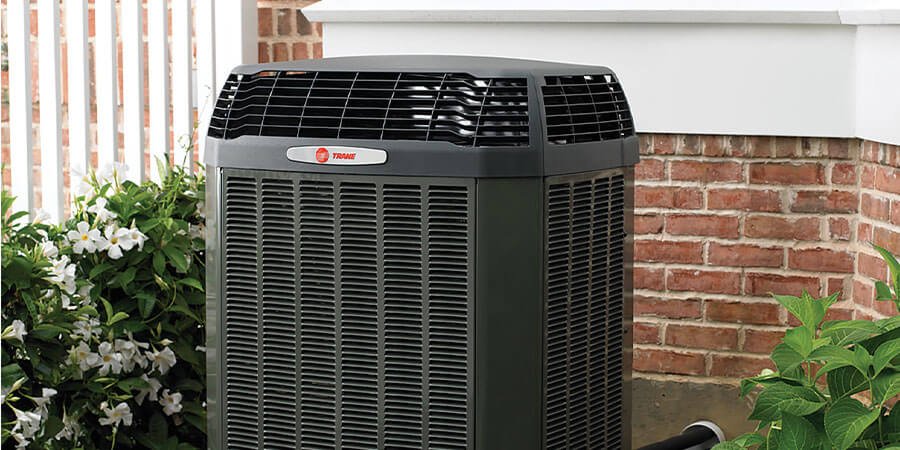
Why Proper Air Conditioning Installation Matters for Long-Term Comfort When searching for air conditioning installation, it’s essential to prioritize expertise over cost. At Sherwood Mechanical, we provide qualified professional’s installation that ensure that your system operates at its rated efficiency. Modern air conditioners boast impressive SEER ratings, with standard efficiency systems typically ranging from 13 to 14, while many high-efficiency models exceed 16 or even reach 20. However, improper installation can prevent your system from achieving its expected performance, regardless of its efficiency ratings. In this article, we will explain why professional installation is important, what proper setup entails, and how the right installation approach can provide lasting comfort for your home. Why does improper installation lead to problems? Improper Air Conditioning (AC) installation can create a series of issues that extend far beyond the initial setup. For instance, Energy Star reports that leaky ductwork can waste 20% to 30% of cooling. This excess strain leads to multiple problems throughout your home. One major mistake in installation is choosing the wrong system size. Small units struggle to keep up on hot days, while oversized units cycle too quickly, which can diminish humidity control and lead to faster wear on components. Both scenarios result in significantly higher energy bills. Another critical factor is the incorrect amount of refrigerant used during the setup. Low refrigerant levels hinder heat transfer, causing your system to run longer and consume more energy. Conversely, using too much refrigerant can be dangerous and may create high-pressure conditions. What does a proper Air Conditioning installation include? Successful AC installation begins with determining the correct size for your unit. At Sherwood Mechanical, we calculate your specific cooling needs, which consider factors such as square footage, insulation levels, window locations, and climate conditions. This meticulous approach helps prevent efficiency and comfort issues that may arise from using a unit that is too large or too small. Proper ductwork is equally important. Our estimators will assess whether your ducts are the right size and are properly sealed to ensure good airflow throughout your home. They will ensure that all connections are tight, preventing problems related to airflow, air quality, and system efficiency. The correct amount of refrigerant is crucial as well. Your air conditioning system requires precisely what the manufacturer specifies. For this reason, we always take the time to measure refrigerant levels carefully, ensuring there is neither too much nor too little, which helps keep your system running smoothly. A detailed Air Conditioning (AC) installation process includes the following steps: 1. Conducting a comprehensive site evaluation and obtaining the necessary permits. 2. Safely removing any old systems. 3. Installing refrigerant lines with precise measurements. 4. Making electrical connections that comply with local codes. 5. Testing the system and balancing the airflow. During the installation, our technicians perform pressure tests to check for leaks. The system is then cleared of moisture and air before the refrigerant is added. These steps ensure that your AC system operates efficiently for many years to come. How proper installation ensures long-term comfort Installing your Air Conditioning equipment correctly is key to making it last longer. A well-installed AC unit can work for 10 to 15 years, while a poorly installed one may break down sooner. Manufacturer warranties are only valid with professional installation. Most AC manufacturers require certified experts to install their units. If you install the unit yourself, you could end up paying for repairs that the warranty would normally cover. Proper installation also leads to cleaner indoor air. Sealed ducts prevent dust and allergens from spreading in your home. Overall, professional AC installation provides reliable comfort for years without frequent breakdowns or high running costs. Conclusion Quality always surpasses cost when it comes to Air Conditioning installation. This article highlights how proper installation impacts your comfort, energy bills, and the longevity of your system. Choosing between professional installation and poor installation can result in significant savings or unexpected expenses later on. Many homeowners focus on the price of the unit first, but the installation process ultimately determines whether your AC will function as intended. A correctly sized system installed by our qualified professionals will provide consistent cooling throughout your home, eliminating hot spots and humidity issues. Additionally, it helps maintain your manufacturer’s warranty and significantly extends the life of your equipment. From selecting the right cooling system to ensuring flawless air conditioning installation, our professional HVAC services offer comprehensive comfort solutions for homeowners. Proper installation not only enhances indoor comfort but also improves energy efficiency and increases the lifespan of your AC unit. Whether you’re upgrading an old system or installing a new one, working with our experienced technicians guarantees reliable performance during the hottest months. If you’re planning an air conditioning installation, don’t wait for rising temperatures to catch you off guard. Contact us today to enjoy consistent, efficient cooling all season long!
When to Consider Hot Water Tank Replacement
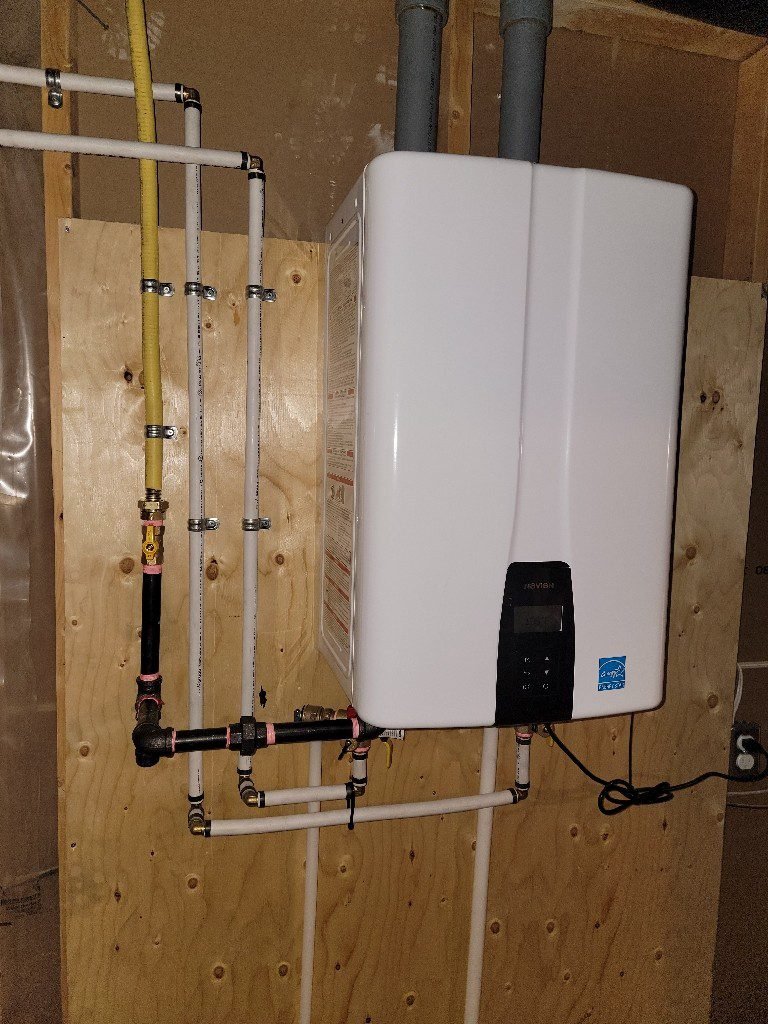
When to Consider Hot Water Tank Replacement Hot water tanks are an essential component of modern households, providing a reliable source of hot water for various domestic uses. These units are designed to heat and store water, ensuring a consistent hot water supply for everyday needs, from showering and washing dishes to laundry and cleaning. Understanding the lifespan and maintenance requirements of your hot water tank can help you make informed decisions about when to consider a replacement. Signs That Indicate the Need for Hot Water Tank Replacement Decreased capacity: If you notice that the water supply is depleting faster than usual or you’re not getting enough of it to meet your needs, it could be a sign that your tank is nearing the end of its lifespan. Leaks or moisture around the unit: Any visible signs of leaks or moisture around the base or connections may indicate a problem with the unit’s integrity, requiring immediate attention. Discoloured or rusty water: If the water coming from your taps appears discoloured or has a rusty tinge, it could be a sign of internal corrosion, which can compromise its performance and safety. Unusual noises: Strange noises, such as rumbling, popping, or banging, may indicate sediment buildup or other issues that require professional inspection. Reduced energy efficiency: If you notice a significant increase in your energy bills, it could be a sign that the unit is no longer operating at peak efficiency, leading to higher energy consumption. Factors That Affect the Lifespan of a Hot Water Tank Material: The material used in its construction can significantly impact its durability. Steel or copper tanks generally have a longer lifespan than those made from less durable materials. Water Quality: The lifespan of your tank can also be impacted by the quality of water in your home. Hard water, with high mineral content, can lead to the buildup of sediment and scale, which can shorten its lifespan. Size: Size can also influence a tank’s lifespan. Larger tanks experience more wear and tear over time, as they are used more frequently to meet household demands. Maintenance and Upkeep: Regular maintenance, such as flushing and checking for any issues, can help extend its lifespan. Benefits of Hot Water Tank Replacement Improved Efficiency: A newer, more energy-efficient unit can help reduce your energy bills and your carbon footprint. Increased Reliability: A new unit is less likely to experience issues or breakdowns, providing a more reliable source for your household. Enhanced Safety: Older units may pose safety risks, such as the potential for leaks or even explosions. Replacing them can help mitigate these risks. Increased Capacity: If your household’s needs have increased over time, upgrading to a larger-capacity unit can help ensure a steady supply of hot water. Hot Water Tank Replacement Options Conventional Storage Tank: This is the most common type, which stores and heats a large volume of water. Tankless (On-Demand) Water Heaters: These units heat water only when needed, rather than storing a large volume, which can be more energy-efficient. Choosing the Right Size and Type When selecting a replacement for a hot water tank, it’s essential to choose the right size and type to meet your household’s needs. Factors to consider include the number of people in your home, daily usage, and the available space. Hiring a Professional It’s generally recommended to hire a professional plumber or HVAC contractor to ensure the job is done safely and correctly. They can assess your specific needs, choose the right replacement tank, and handle the ac installation process efficiently. Hot Water Tank Maintenance Tips Flush it regularly to remove sediment buildup. Inspect the anode rod and replace it when necessary to prevent corrosion. Insulate it and the pipes to improve energy efficiency. Adjust the temperature setting to the recommended range of 120°F to 140°F. Check for any leaks or issues and address them promptly. Conclusion Maintaining and replacing your hot water tank when necessary is crucial to ensuring a reliable and efficient source of hot water for your home. By understanding the signs of a failing unit, the factors that affect its lifespan, and the benefits of replacement, you can make informed decisions about when to consider a hot water tank replacement. Remember, regular maintenance and timely replacement can help you avoid costly repairs, improve energy efficiency, and ensure the safety and comfort of your household. If you’re concerned about the condition of your hot water tank or are considering a replacement, don’t hesitate to contact us. We can assess your needs, provide expert recommendations, and ensure a smooth and efficient hot water tank replacement process. Take the first step towards a reliable and energy-efficient solution for your home.
Keep Your Alberta Home’s Air Fresh This Summer with These Simple Steps

Keep Your Alberta Home’s Air Fresh This Summer with These Simple Steps When Alberta’s summer heat rolls in, we naturally spend more time indoors with the AC cranked up. But while we focus on staying cool, it’s easy to overlook the quality of the air we’re breathing inside our homes. Between wildfire smoke, dust, pollen, and pet dander, indoor air can quickly become stale, stuffy, and even hazardous. The good news? You don’t need a major renovation or an expensive overhaul to freshen up your air. With a few smart, budget-friendly moves, you can noticeably improve your home’s indoor air quality and create a healthier, more comfortable living space this season. Upgrade to High-Quality Air Filters Your HVAC system’s air filter is the first line of defence against airborne irritants. Standard filters often miss fine particles like smoke, pollen, and mould spores — especially during Alberta’s wildfire season. Swapping out your regular filter for a high-efficiency option can capture more of these pollutants. It’s a simple, affordable upgrade that makes a noticeable difference in the air you breathe. Clean and Maintain Your AC System Your AC doesn’t just cool your home — it circulates the air you breathe. If it’s clogged with dust, dirt, and debris, it can push those contaminants through your home all summer long. Scheduling a professional AC tune-up at the start of the season ensures clean, efficient airflow. A technician can clean your coils, ducts, and fans, improving air circulation and reducing airborne pollutants while keeping your system energy-efficient. Invest in a Portable Air Purifier For high-traffic areas like living rooms, bedrooms, or home offices, a portable air purifier is an easy, effective solution. Choose a unit with a HEPA filter, which captures up to 99.97% of airborne particles — including allergens, dust, and smoke particles — especially useful during Alberta’s wildfire season. They’re energy-efficient, quiet, and perfect for boosting air quality where you spend the most time. Control Humidity Levels Summer in Alberta can swing between dry heat and humid stormy days. High indoor humidity creates a breeding ground for mould and dust mites, while air that’s too dry can irritate your respiratory system. Use a hygrometer to track levels and aim for 30%–50%. Too dry? Run a humidifier in key rooms to protect your skin, sinuses, and airways. Too humid? A dehumidifier will help cut moisture and reduce mould and dust mites. Simple fixes, big difference. Let Fresh Air In (When It’s Safe) When outdoor air quality is good, open your windows in the early morning or late evening to let fresh air circulate. Cross-ventilating for even 15 minutes a day can reduce indoor pollutant buildup. However, always check local air quality reports first, especially during wildfire season, and keep windows closed when smoke or allergens are high. Final Thought Indoor air quality directly affects your comfort, sleep, and long-term health — and improving it doesn’t have to be complicated or costly. By making a few small upgrades and seasonal adjustments, Alberta homeowners can breathe easier, stay cooler, and create a safer, fresher living space this summer. Ready to Breathe Easier This Summer? Book an HVAC tune-up, upgrade your filters, or explore air purifier options today. Small changes make a big difference when it comes to the air you live in. Contact our local Alberta HVAC pros now and enjoy a healthier, cooler home all season long.
Why Professional Air Conditioning Installation is Crucial for Your Comfort
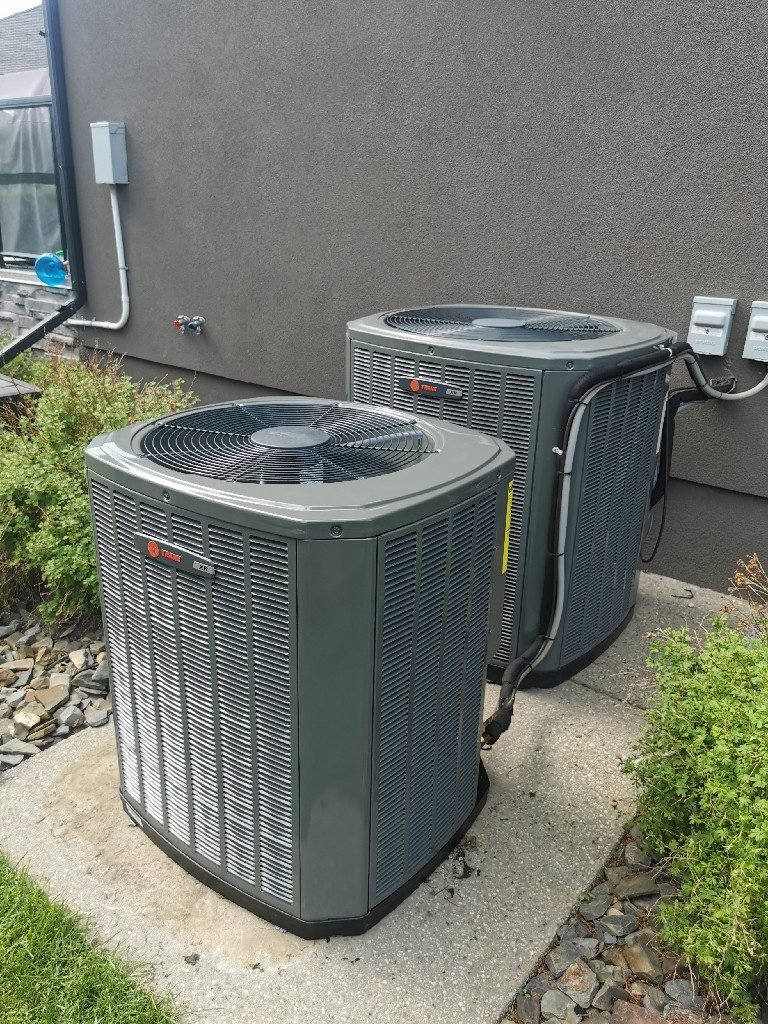
Why Professional Air Conditioning Installation is Crucial for Your Comfort When it comes to air conditioning installation, the quality of the setup can significantly influence your comfort. A professional installation ensures your AC system operates at peak efficiency, providing optimal cooling when needed. An improperly installed unit may lead to inconsistent temperatures, increased energy consumption, and higher utility bills. Understanding the importance of professional AC installation can save you from future headaches. Professional technicians have the knowledge, tools, and experience to perform the installation correctly. We follow industry standards and manufacturer guidelines, which is critical for ensuring your system operates effectively. By hiring experts, you can be confident that every component is installed correctly, from refrigerant lines to electrical connections. Moreover, professional installation often comes with a warranty. If any issues arise due to improper installation, the technician’s guarantee provides an added layer of protection. This ensures you can enjoy your air conditioning without constant worry about potential failures. Common Pitfalls of DIY Air Conditioning Installation Installing an air conditioning unit yourself might seem cost-effective, but many pitfalls can arise. One common mistake is miscalculating the size of the unit that is needed for your space. A unit that is too small will struggle to cool the area, while one that is too large will cycle on and off frequently, leading to inefficiency and higher energy costs. Another significant issue is improper ductwork installation. If ducts are not sealed correctly or poorly insulated, a substantial amount of cooled air may be lost before reaching your living space. This compromises comfort and results in wasteful energy usage, further inflating utility bills. Lastly, many DIY installers overlook local building codes and regulations. Failing to adhere to these guidelines can lead to fines or necessitate costly corrections later on. Professional contractors are well-versed in these regulations and ensure your installation complies with all local laws, avoiding potential legal problems. Benefits of Hiring Experts for AC Installation Investing in professional air conditioning installation offers numerous benefits. Firstly, experts understand the intricacies of various systems and can recommend the best options for your specific needs. This ensures you receive a unit that cools effectively and aligns with your energy efficiency goals. Secondly, professional installers can identify potential issues before they become major problems. Their trained eyes can spot discrepancies in your home’s cooling needs that a novice may overlook. Addressing these concerns early helps avoid costly repairs or replacements later. Lastly, professional AC installation can enhance your home’s overall value. A well-installed system is an attractive feature for potential buyers, signalling that your home has been well-maintained. This can be particularly important if you plan to sell your property in the future. How Professional Installation Impacts Energy Efficiency One of the main reasons to consider professional installation is its direct impact on energy efficiency. An improperly installed AC unit may work harder than necessary, leading to increased energy consumption. This not only affects monthly utility bills but also contributes to a larger carbon footprint. Experts ensure your system operates efficiently by following manufacturer guidelines and best practices. we properly seal and insulate air ducts, minimizing cooled air loss. Additionally, an experienced technician will adjust refrigerant levels correctly, which is crucial for the unit’s efficiency and longevity. Furthermore, it allows for the correct placement of the outdoor unit. If positioned in a shaded area, it can operate more efficiently. However, placing it in direct sunlight or a poorly ventilated space can lead to an overworked system that struggles to maintain your desired temperature. Safety Considerations During AC Installation Safety is paramount during any AC installation. Improper handling of electrical components can lead to accidents while mishandling refrigerants pose health risks. Professional technicians adhere to strict safety protocols, minimizing the risk of mishaps during installation. Additionally, professionals are equipped with the right tools and protective gear to handle hazardous materials safely. Their training ensures all materials are disposed of correctly and that the installation meets safety standards. Cost Comparison: Professional vs. DIY Installation While DIY installation might seem like a cost-effective option, long-term expenses can often outweigh initial savings. DIY efforts may involve unexpected costs, such as purchasing specialized tools or hiring a professional to fix mistakes. On the other hand, professional installation comes with a set price that covers the technicians’ expertise, their tools, and warranties. Although the upfront cost may be higher, it is an investment in comfort and peace of mind. Many HVAC companies offer financing options, making it easier to manage the expense. Additionally, the efficiency gained from a professionally installed unit leads to lower energy bills over time. These ongoing savings offset the initial costs, making professional services the smarter choice. Long-Term Benefits When you invest in professional air conditioning installation, you’re ensuring long-term satisfaction and efficiency. A well-installed system requires fewer repairs and less maintenance, leading to significant savings over time. Moreover, a professionally installed system typically has a longer lifespan. Proper installation minimizes strain on the unit, allowing it to operate efficiently for years to come. Regular professional maintenance further extends the system’s life. Additionally, many manufacturers require professional installation to maintain warranty coverage. Attempting a DIY installation may void the warranty, leaving you without support if issues arise. Choosing professional services safeguards your investment and provides peace of mind. Conclusion Opting for professional air conditioning installation is more than just a matter of convenience—it’s an investment in comfort, efficiency, and peace of mind. By avoiding the pitfalls of DIY installation and relying on experts, you ensure your system operates at its best while safeguarding your investment. If you’re ready to enhance your home’s comfort with professional air conditioning installation, contact us today to schedule an assessment and explore your options. Your satisfaction is our priority, and we’re here to help you every step of the way!
Important Steps to Ensure Furnace Safety and Improve Indoor Air Quality
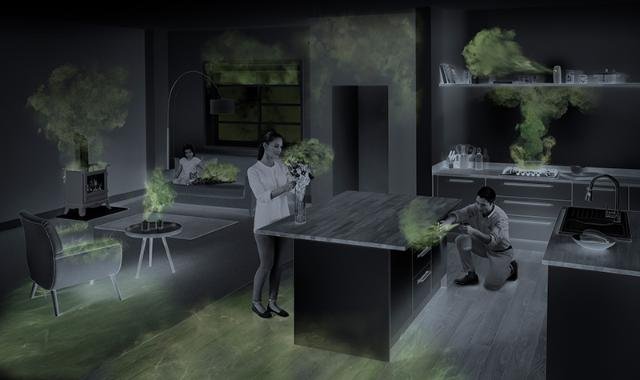
Important Steps to Ensure Furnace Safety and Improve Indoor Air Quality Indoor air quality (IAQ) significantly affects your health. Poor air quality can lead to respiratory issues, allergies, and chronic conditions. Surprisingly, indoor air can be more polluted than outdoors due to volatile organic compounds (VOCs), dust, mould spores, and particulates. Your furnace plays a key role in IAQ, circulating air throughout your home. If not properly maintained, it can worsen air quality by spreading contaminants. Regular furnace care is essential for a healthier living space. The Furnace’s Role in Clean Air A well-maintained furnace is essential for ensuring a comfortable and healthy indoor environment. Regular maintenance and timely upgrades ensure your furnace works efficiently, reduces allergens, and minimizes emissions like carbon monoxide, contributing to cleaner air for your home. Signs of a Problematic Furnace Allergy symptoms: Increased sneezing, coughing, or itchy eyes while indoors. Excessive dust: A sign of ineffective filtration. Unusual odours or noises: Can indicate malfunctions or debris buildup. Act quickly to address these signs and protect your home environment. Step-by-Step Guide to a Healthier Home 1. Schedule a Professional Inspection Hire a qualified technician to assess your furnace. They’ll identify potential issues like leaks or worn components and recommend maintenance or upgrades to keep the unit operating safely and efficiently. 2. Replace or Clean Filters Regularly Clogged air filters can worsen indoor air pollution and strain your furnace. Replace or clean filters every 1-3 months, especially if you have pets or allergies. 3. Ensure Proper Ventilation Promote airflow by using exhaust fans, opening windows, and ensuring vents remain unblocked. Poor ventilation can trap pollutants, but natural or mechanical systems help circulate fresh air and expel contaminants. 4. Upgrade to an Energy-Efficient Furnace Modern ENERGY STAR-certified new furnaces are more efficient and equipped with advanced filtration. Upgrading reduces emissions, lowers energy bills, and improves IAQ while ensuring reliable performance. 5. Maintain Optimal Humidity Levels Keep indoor humidity between 30%-50%. Too much moisture can cause mould growth, while too little leads to dryness and irritation. Use humidifiers or dehumidifiers as needed, and monitor levels with a hygrometer. 6. Clean and Dust Regularly Reduce dust and allergens by vacuuming, mopping, and dusting weekly. Use a vacuum with a HEPA filter and microfiber cloth for efficient cleaning. Declutter your home to minimize surfaces where dust can settle. 7. Use Air Purifiers Supplement your furnace with an air-quality filtration system to capture finer particles and allergens. Placing them in high-traffic areas like bedrooms and living spaces ensures maximum impact. 8. Address Leaks and Moisture Issues Fix leaks and ensure proper drainage to prevent mould and humidity problems. Regularly check for water stains, musty odours, or peeling paint and act promptly to address them. 9. Educate Yourself on Indoor Pollutants Learn about common pollutants like dust, VOCs, and mould. Opt for low-VOC cleaning products and avoid air fresheners or candles that release harmful chemicals. Knowledge empowers you to take targeted action. Long-Term Benefits A well-maintained furnace ensures efficient operation, reducing energy bills and environmental impact. Cleaner indoor air promotes better health, reducing the risk of allergies and respiratory issues. By prioritizing IAQ and furnace safety, you create a comfortable, safe, and inviting home. Take Action Today Schedule a furnace inspection, replace filters, and implement these essential steps to breathe easier and live healthier. Your well-being starts with the air you breathe—take charge now!
Refrigerant R-22 Phasing Out – How Does This Affect Your AC?
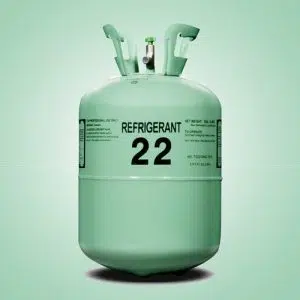
Refrigerant R-22 Phasing Out – How Does This Affect Your AC? Until 2010, R-22 was the most frequently used refrigerant in air conditioners unfortunately R-22 has been proven to cause ozone depletion and now is considered an Ozone-Depleting-Substance (ODS). If your AC was built and installed before January 1, 2010, there’s a good chance that it uses R-22 refrigerant. Due to this, the Environmental Protection Agency (EPA) required manufacturers to phase out R-22 use, and in 2015 R-410A became the standard refrigerant used in systems. Wondering whether you can switch from R-22 to R-410A in your AC system? You cannot just switch refrigerants because R410-A and R-22 have different chemical properties. Also, R410-A operates at a higher pressure, adding R410-A into an R-22 system rated for lower pressures. The good news is that you can still use your system but it’s essential to maintain it and make sure it has no leaks. Requesting a hvac service technician to locate and repair leaks, and recharge systems is no longer permitted. If you wanted to convert your current system, the cost would be higher as you’ll need to replace the condenser, evaporator, and the lineset, with equipment that is suitable for R410-A. Additionally, using any other refrigerant than what is listed on the unit nameplate voids the safety certification of the system. Unfortunately, a bad retrofit and system modification could potentially cost you more than installing a new R410-A, so it would be definitely more cost-effective to put that money toward an upgraded system designed for R410-A. Advantages of R-410A Because R-410A absorbs and releases more heat than R-22, your compressor can operate at a cooler temperature, which reduces overheating and the risk of the compressor burning out. AC units need oil to lubricate the compressor during operation. R-22 units use mineral oil, whereas R410-A units use synthetic oil. The synthetic oil mixes better with R410-A compared to mineral oil and R-22; which helps the system run more efficiently and reduces wear and tear on the compressor. Looking for what’s best for you and your family? At Sherwood Mechanical, we understand that the R-22 refrigerant phase-out might cause a lot of headaches and unexpected expenses for system owners. Feel free to reach out to us at any time for advice – our team of professionals can answer your questions.
Beat the Summer Heat: 5 Benefits of Installing Air Conditioning
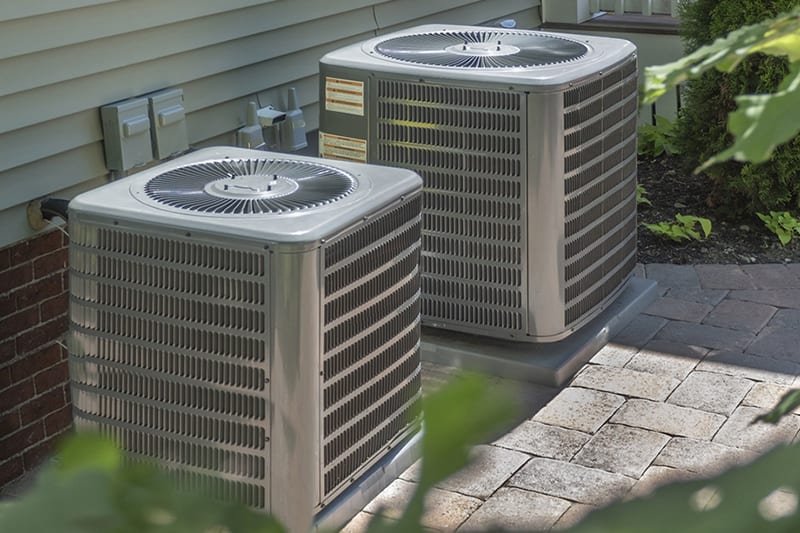
Beat the Summer Heat: 5 Benefits of Installing Air Conditioning WHEN THE WEATHER RAMPS UP AFTER OUR FROSTY CANADIAN WINTERS, MANY OF US SOON FORGET THE BITTER COLD AND QUICKLY START THINKING ABOUT CHILLING OUT WITH OUR AIR CONDITIONING. In fact, according to Stats Canada, about 50% of Canadians reported having some sort of air conditioning unit. So, if you’re ready to beat the heat this summer, you’re one of many.Here are 5 benefits that make a quality, professionally installed air conditioning system a worthy investment: 1. Breathe easier: Air conditioners circulate and filter air, helping to remove irritants (pollutants, mold and other toxins) from the air. This improved air quality is great for people who suffer from allergies and asthma. But to work at its best, keep your system clean and change your filters regularly. 2. Sleep easier: In addition to other factors, our body temperature can affect how quickly we fall, and stay, asleep. A room that is too hot interferes with our body’s natural ability to regulate its temperature. Think about it: it’s easy to pile on another blanket if your room is a bit chilly come bedtime but it can take hours to cool down a hot room. 3. Keep your cool electronics cool: When the temperature in your home or office noticeably increases, it can seriously affect the electronics (phones, computers, external hard drives) on which you depend. Because this technology already generates heat, any additional heat can damage and shorten the lifespan of your equipment. A quality air conditioning unit can help keep your electronics cooler, longer. 4. Protect furniture and flooring: Heat, and the humidity that often follows, can wreak havoc on your furniture and flooring. Wood gains and loses moisture with the air around it, which, eventually leads to warping. A quality air conditioner not only keeps your environment cool but can also help keep the humidity levels in check. 5. Work efficiently year-round: We’ve all experienced that lethargic feeling when suntan weather hits, but we are stuck in the sweltering indoors: think droopy eyes, sluggish mental capacity, and plenty of yawns. When offices and homes are properly air conditioned, people can function better, both mentally and physically. But don’t forget To enjoy all these benefits, your air-conditioned space must be well-ventilated, properly installed, and well-maintained. This includes ensuring you have the appropriate size air conditioning unit for your space. And don’t be fooled into thinking that a costlier unit means a better unit. After all, most air conditioning units use the same components to cool down your home. Overall, it’s the professional installation and proper maintenance that will preserve your air conditioning unit’s efficiency and longevity. So, for some sound advice and professional installation or general maintenance of your air conditioning unit, give us a call. Our experienced Sherwood Mechanical technicians will gladly provide air conditioning solutions tailored to your needs and budget.